

How to make the most of sweet corn season
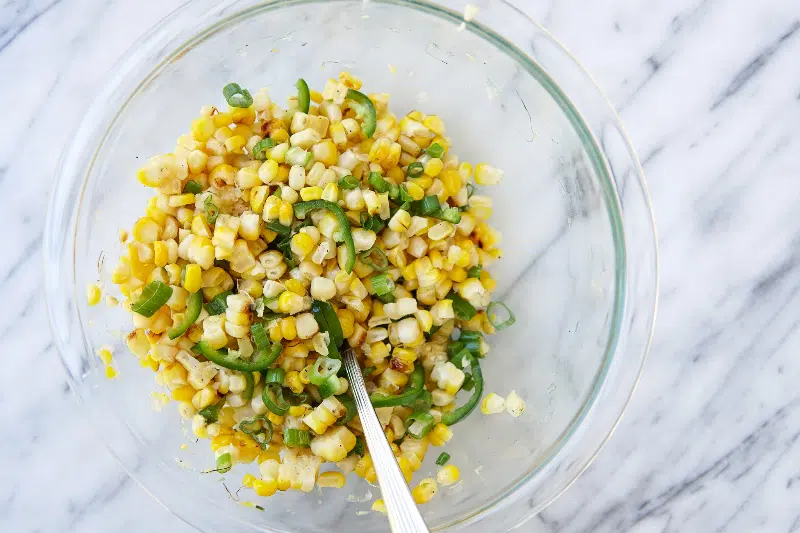
Fresh corn starts showing up everywhere this time of year, from farm stands and farmers markets to backyard barbecues and weeknight dinners. When it’s truly in season, it’s so sweet and juicy that you barely need to do anything to it—just add a little butter and salt, toss it on the grill, or cut the […]
Fresh corn starts showing up everywhere this time of year, from farm stands and farmers markets to backyard barbecues and weeknight dinners. When it’s truly in season, it’s so sweet and juicy that you barely need to do anything to it—just add a little butter and salt, toss it on the grill, or cut the kernels from the cob and add them to a salad.
Corn is also one of those foods that seems to come with a surprising amount of nutritional confusion.
Is it a vegetable? Is it a grain? Is it too starchy? Does it actually offer much nutritionally?
Since local sweet corn is just beginning to appear here in Maine, now feels like the perfect time to clear up some of that confusion and talk about how to make the most of it.
Is corn a vegetable or a grain?
It can technically be both—it depends on the type of corn and when it is harvested.
The fresh sweet corn we eat from the cob is a starchy vegetable. When corn fully matures and dries, it can be ground into cornmeal or flour and is classified as a grain.
So yes, fresh corn is a starchy vegetable. Like all starchy veggies, it just contains more carbohydrates and calories than nonstarchy veggies like cucumbers, zucchini, tomatoes, or leafy greens.
And like all other starchy veggies (potatoes, squash, beets, carrots!) corn can add more substance to a salad, taco, or vegetable side and help make a meal more satisfying.
What do you get from an ear of corn?
One medium ear of cooked sweet corn contains small amounts of fiber and protein along with nutrients like thiamin, folate, vitamin C, and other vitamins and minerals. Yellow corn contains lutein and zeaxanthin, two naturally occurring carotenoids also found in other yellow, orange, and green fruits and vegetables.
Corn tastes sweet because it contains a small amount of naturally occurring sugar, but an ear of corn is very different from a food made with added sugar or corn-based sweeteners. It comes packaged with fiber, protein, water, vitamins, and minerals.
Is corn the most fiber-rich or nutrient-dense vegetable you could eat? No. But every vegetable doesn’t need to be the nutritional equivalent of kale. So butter it up and enjoy it!
How to choose good corn
The best corn is usually the freshest corn, so buying it from a farmers market, farm stand, or store that sources locally makes a huge difference.
Look for:
- Bright green husks that fit tightly around the cob
- Silk that looks relatively fresh rather than completely dry or black
- Ears that feel firm and filled out from top to bottom
- Husks without obvious mold, holes, or large dry patches
You don’t need to pull the husk halfway down in the store to inspect the kernels. This exposes the corn and makes it dry out more quickly. Instead, gently feel along the outside to make sure the ear feels plump and full.
Corn is sweetest soon after it is harvested because its natural sugars gradually begin converting to starch. For the best flavor, buy only what you expect to eat within the next few days.
Keep it refrigerated with the husk intact until you are ready to cook it.
Do you have to cook fresh corn?
No! Good fresh corn can be eaten raw.
Cut the kernels directly from the cob and add them to salads, salsas, grain bowls, or chilled soups. Raw corn is especially good when paired with acidic ingredients like lime juice or vinegar and something creamy like avocado, feta, mozzarella, or yogurt.
Fresh corn cooks quickly. Shuck and boil it for 3-5 minutes or grill for 10 minutes. You want the kernels to stay juicy and crisp rather than becoming soft and shriveled.
My favorite ways to use summer corn
1. Add it to a fresh summer salad
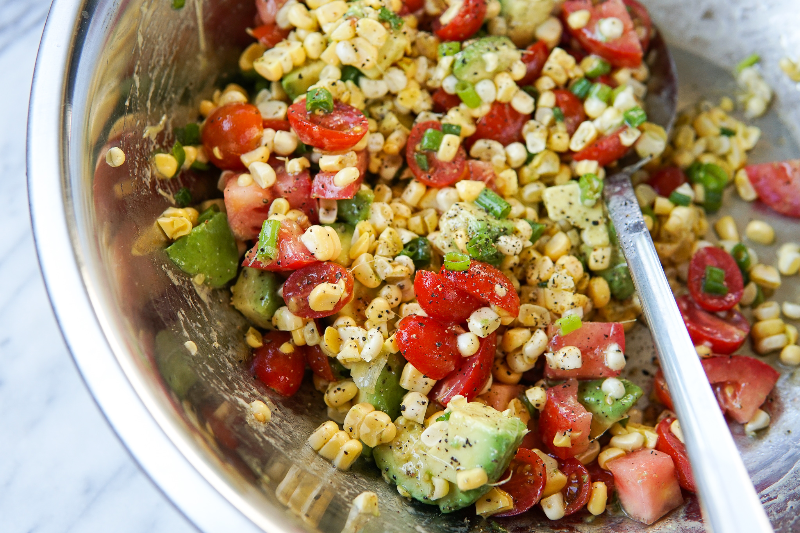
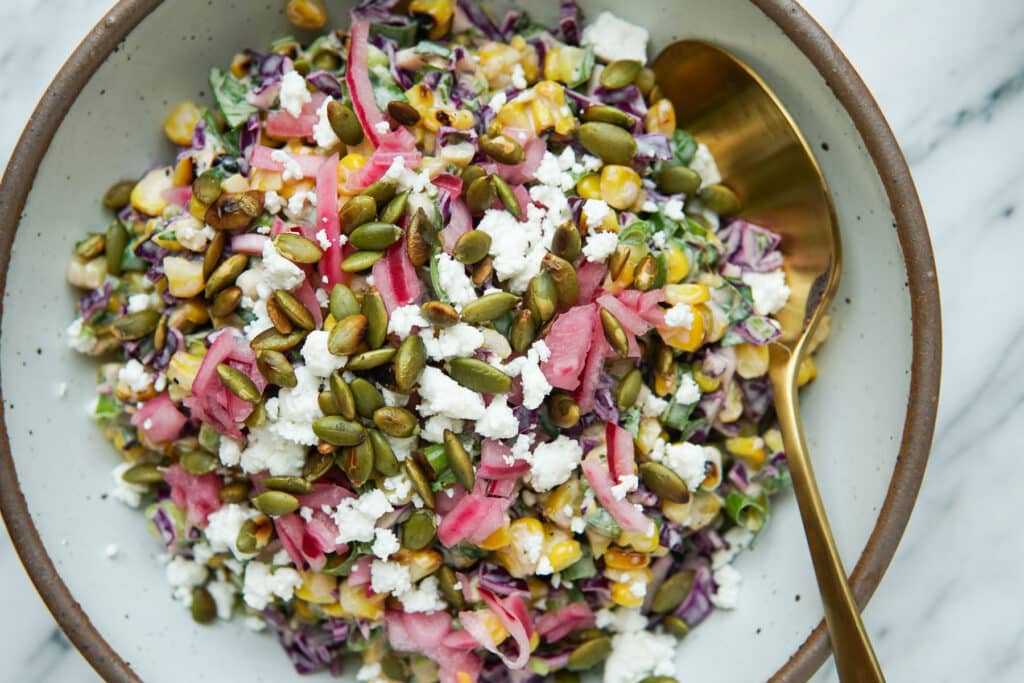
Raw or grilled corn pairs especially well with tomatoes, cucumbers, peaches, peppers, avocado, herbs, beans, and salty cheeses.
Cooking Club recipes:
- Raw Corn, Tomato and Avocado Salad
- Peachy Corn Avocado Salad with Candied Walnuts
- Grilled Street Corn Salad
2. Make a corn salsa
Mix raw or grilled corn with lime juice, herbs, salt, and something crunchy or spicy.
Try adding: tomatoes, peaches, cucumber, jalapeño, scallions or red onion, cilantro, avocado
Spoon the salsa over tacos, grilled fish, chicken, burgers, beans, or rice bowls.
3. Blend it into something creamy

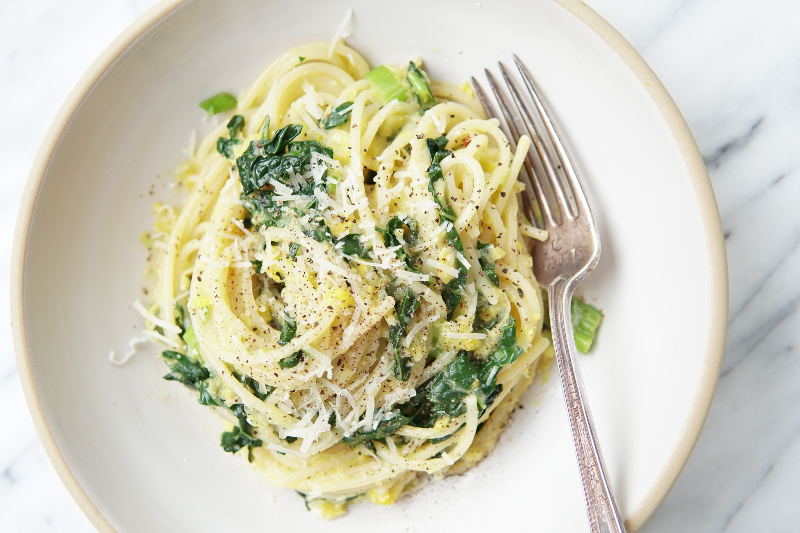
Corn becomes surprisingly creamy when blended. Its natural starch helps thicken sauces and soups without requiring much cream.
In the Creamy Corn and Kale Pasta, some of the cooked kernels are blended into a sweet, creamy sauce that clings to the pasta.
The Coconut Corn Cream Poached Cod blends corn with coconut milk and ginger to create a creamy base for fish and vegetables.
Or turn it into a chilled creamy gazpacho with peaches!
You can also purée corn into chowder, dips, or a sauce for grain bowls.
4. Char it


High heat brings out corn’s sweetness and gives it a smoky flavor.
You can grill whole ears, but you don’t need a grill. Cut the kernels from the cob and cook them in a very hot skillet with a little oil. Let them sit long enough to brown before stirring.
Use the charred corn in tacos, salads, pasta, quesadillas, grain bowls, and dips!
Cooking club recipes:
- Grilled Chicken and Corn Tacos with Cilantro Feta Lime Sauce
- Grilled Fish Tacos with Charred Corn Feta Sauce
- Tomato Feta Salad with Charred Corn
- Cheddar Corn Ricotta Dip
Corn can be both nourishing and delicious
When fresh corn is this good, enjoy plenty of it while the season lasts.
Eat it with butter and salt. Grill it until it’s smoky and charred. Toss it with tomatoes and avocado. Blend it into a creamy sauce. Add it to tacos, beans, pasta, or salads.
Corn is a starchy vegetable with small amounts of fiber, protein and other nutrients. More importantly, it’s delicious and should be savoured this time of year.
Corn is a starchy vegetable that provides carbohydrates along with small amounts of fiber, protein, and other nutrients. More importantly, it’s delicious and deserves to be savored this time of year.
leave your comments!