

How to fuel your summer activities—without overthinking it

Summer naturally tends to be a more active time of year. We’re walking more, gardening, swimming, hiking, running, traveling, and spending long days outside. We’re usually good about remembering to bring water, but it’s easy to forget that our bodies may need more food during these active days too. You don’t need special sports products […]
Summer naturally tends to be a more active time of year. We’re walking more, gardening, swimming, hiking, running, traveling, and spending long days outside.
We’re usually good about remembering to bring water, but it’s easy to forget that our bodies may need more food during these active days too.
You don’t need special sports products or a complicated nutrition plan. For most of us, it comes down to eating enough, including plenty of carbohydrates, staying hydrated, and having a satisfying meal or snack afterward.
Here’s a simple way to think about fueling before, during, and after your sweaty summer activities.
Before: don’t start on empty


Carbohydrates are one of your body’s preferred sources of energy, especially during more vigorous or prolonged activity. Before a hike, run, bike ride, or active day outside, make sure you’ve had something substantial enough to give your body energy.
This doesn’t mean you need to “carb load.” It could be as simple as eating a balanced breakfast or having a snack before you head out.
A few ideas:
- Oatmeal with berries, Greek yogurt, and nuts or seeds
- Morning Glory Banana Muffins or Blueberry Banana Muffins
- Toast with peanut butter and banana
- Eggs with toast, rice, or potatoes
- Greek yogurt with granola and fruit
- A smoothie with fruit, yogurt, and chia or hemp seeds.
- A banana with peanut butter
- Crackers with cheese or hummus
The closer you are to exercising, the simpler you may want to keep your snack. A banana, toast, dried fruit, crackers, or a granola bar will generally be easier to digest than a large meal with lots of fat and fiber.
The most important thing is not to head into a long or strenuous activity already hungry and under-fueled.
During: consider how long and how hard you’re moving
For a casual walk, short workout, or activity lasting less than about an hour, you probably don’t need to eat during it. Bring water, especially when it’s hot, and have a normal meal or snack afterward.
For longer hikes, runs, bike rides, or full days outside, bringing food can help keep your energy from crashing. Carbohydrate-rich foods are especially helpful during prolonged activity because they provide your muscles with quick and easy energy.
Easy foods to pack include:
- Bananas or oranges
- Dates or other dried fruit
- Pretzels or salted crackers
- Nori Rice Balls
- Granola or energy bars – Favorite Granola Bars
- Trail mix
- Peanut butter/banana sandwiches
- Cheese and crackers
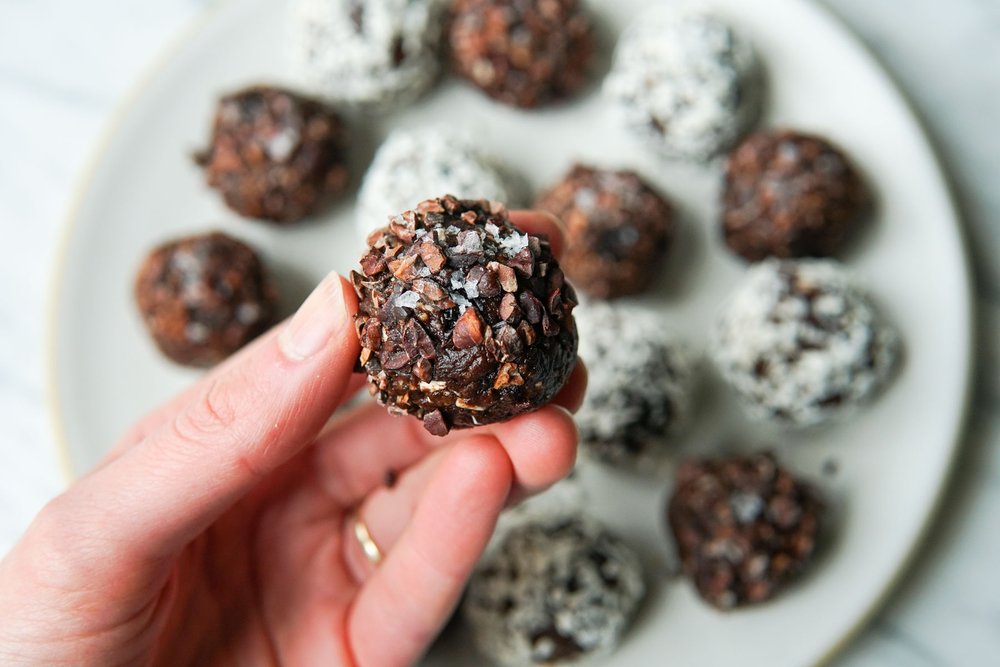
- Homemade muffins or energy balls: Chocolate Cherry Almond Recovery Balls
Don’t wait until you feel completely depleted. If you know you’ll be moving for several hours, take a snack break before your energy noticeably drops.
What about electrolytes?
Electrolytes have become a bit of a wellness buzzword, but not every walk or workout requires an electrolyte packet.
For everyday activity, plain water and regular meals are often enough. Foods and snacks that contain salt, potassium, carbohydrates, and water all contribute to hydration and help replace some of what we lose through sweat.
Electrolytes become more useful when:
- You’re exercising for over an hour
- You’re sweating heavily
- It’s especially hot or humid
- You’ll be active outside for several hours
- You tend to lose a lot of salt in your sweat
- You’re struggling to recover with water alone
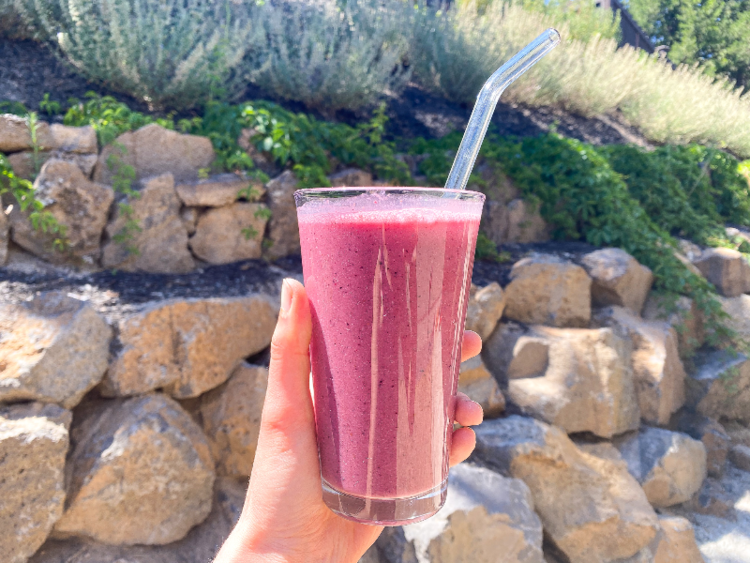
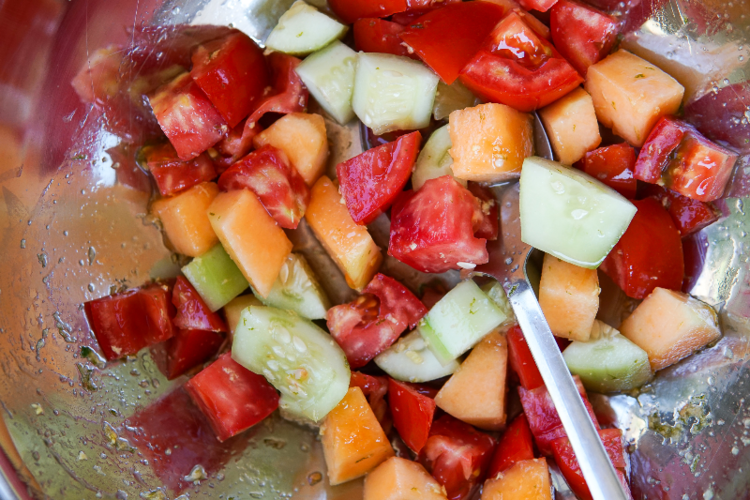
You can use an electrolyte powder or sports drink, but food works, too. Try pairing water with a salty snack, fruit, yogurt, a smoothie, or a balanced meal.
The goal isn’t to drink as much water as humanly possible. Start your day hydrated, carry water with you, and drink consistently throughout the day—especially when you’re more active or spending time in the heat. Water-rich foods like fruit and veggies will also give you fluids!
After: replace what you used
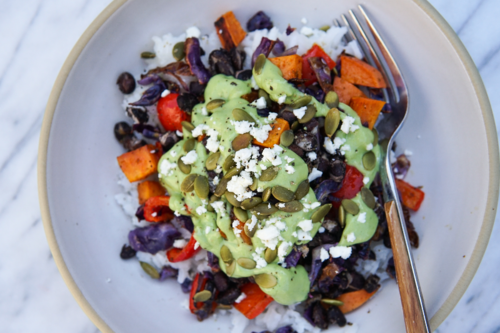
After an active day, your body primarily needs:
- Carbohydrates to replenish energy
- Protein to support muscle repair and recovery
- Fluids and salt to replace what you lost through sweat
You don’t need to race home and drink a protein shake within exactly 30 minutes. But having a balanced meal or snack within the next couple of hours can help support recovery and keep you from becoming ravenously hungry later.
An easy recovery meal formula is:
Carbohydrate + protein + produce + something flavorful and satisfying
For example:
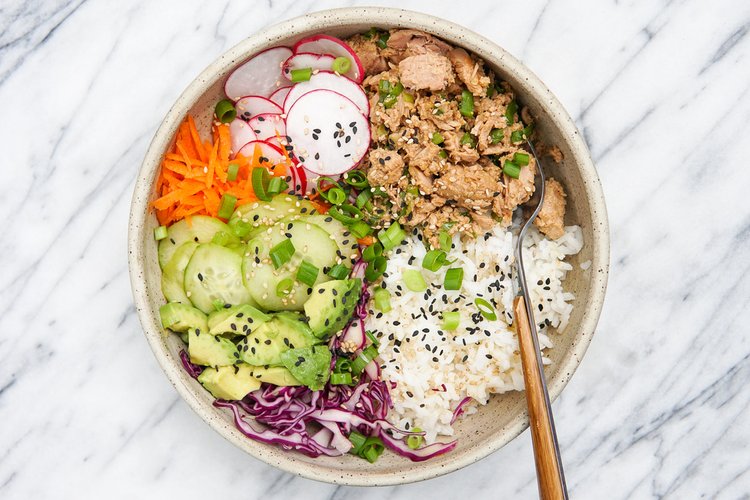
- Grilled chicken with rice and cucumber-avocado salad (like this one, paired with rice)
- A tuna melt with fruit
- BLT Farro Salad with grilled chicken
- Eggs with roasted potatoes and sautéed greens
- A rice bowl with beans, vegetables, avocado, and a yummy sauce
- Greek yogurt with granola, fruit, and nut butter (in a pinch)
If it was a particularly sweaty or strenuous day, eat some hydrating fruit like watermelon or make a simple fruity beverage/smoothie (blend watermelon with yogurt and chia seeds – recipe coming soon!).
**Don’t accidentally under-eat all day**
One of the easiest and most common summer habits to fall into is staying busy outside, grazing on fruit, drinking lots of water, and then realizing at 5 p.m. that you haven’t eaten a real meal.
Fruit and vegetables are wonderful, hydrating summer foods—but they don’t provide enough energy on their own, especially when you’re active.
Try to continue eating regular, satisfying meals that include:
- A carbohydrate such as rice, potatoes, bread, pasta, farro, oats, beans, or fruit
- A source of protein
- Some fat
- Enough salt and flavor to make the meal genuinely satisfying
Your body needs energy to move, recover, regulate its temperature, and support everything else it does throughout the day. Eating a bigger and heartier breakfast and lunch and then a lighter dinner is better for your energy, sleep, blood sugar, etc….than just having, for example, a smoothie for breakfast, a salad for lunch, and ending the day with your biggest most filling meal.
Keep it simple
You don’t need to calculate anything!
Before you head out, eat something. Bring water. Pack snacks for longer activities.
Then follow it up with a proper meal that includes carbohydrates, protein, fat, and plenty of satisfying flavor.
Summer activities should be enjoyable—and fueling yourself well (especially for breakfast and lunch) makes it much easier to enjoy them.
leave your comments!